Field Journal / Yunnan · Freshwater Ecology
Where the
forest meets
the water.
A visual field study of Yunnan’s wooded wetlands and water environments—exploring ecological clues, the challenges of stewardship, and how hands-on engineering can help us ask better questions.
Every waterway
holds a story.
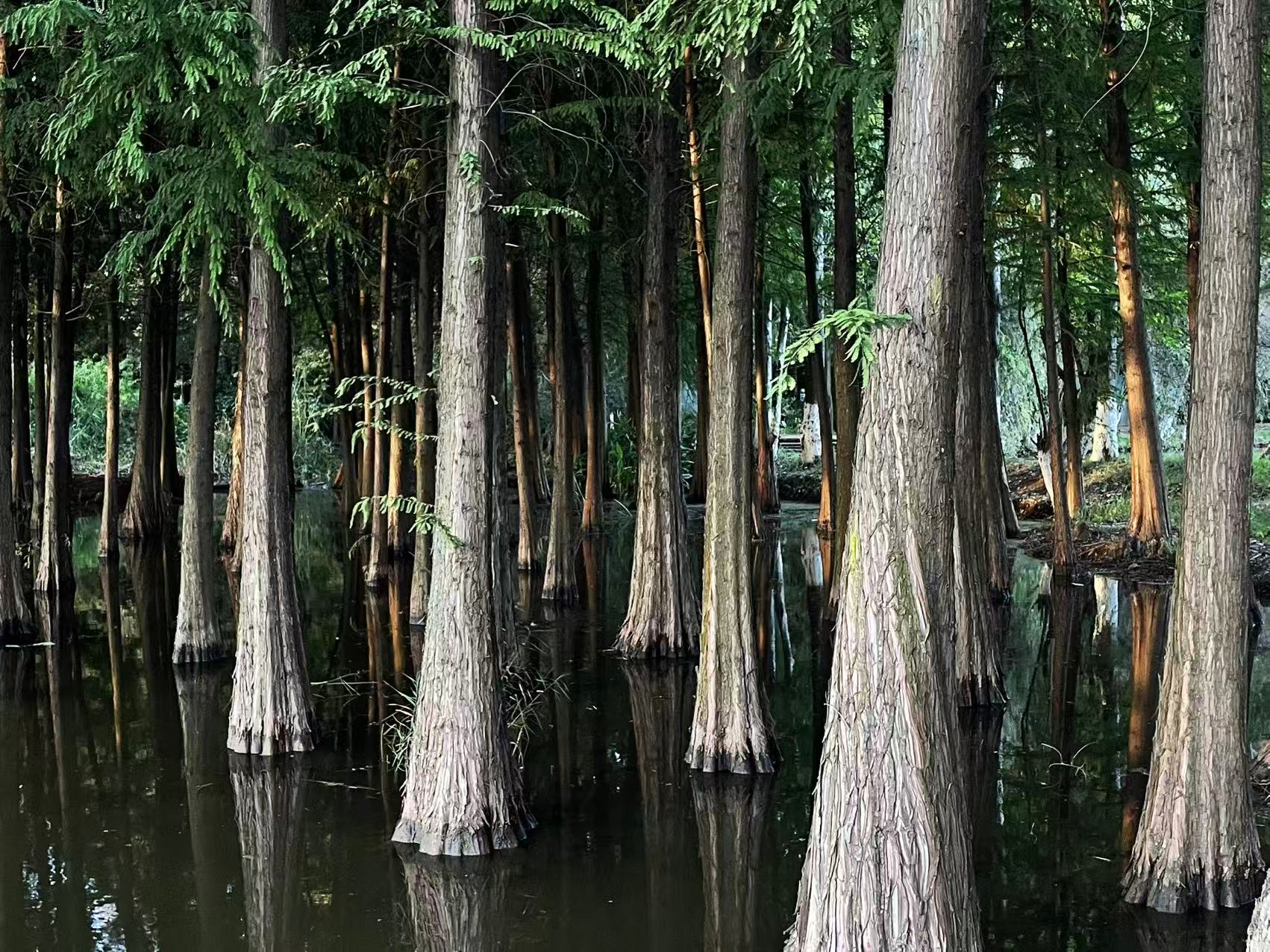
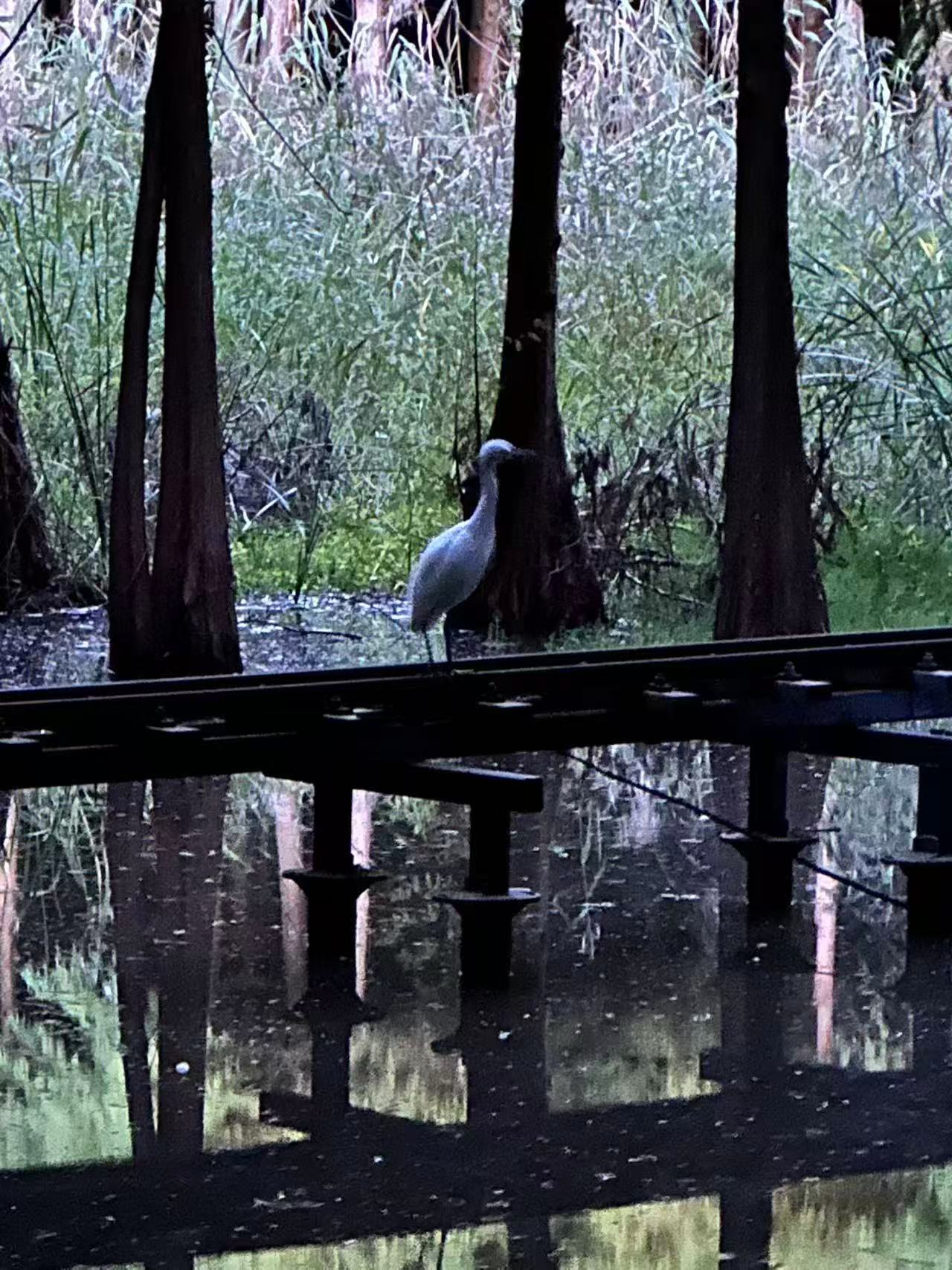
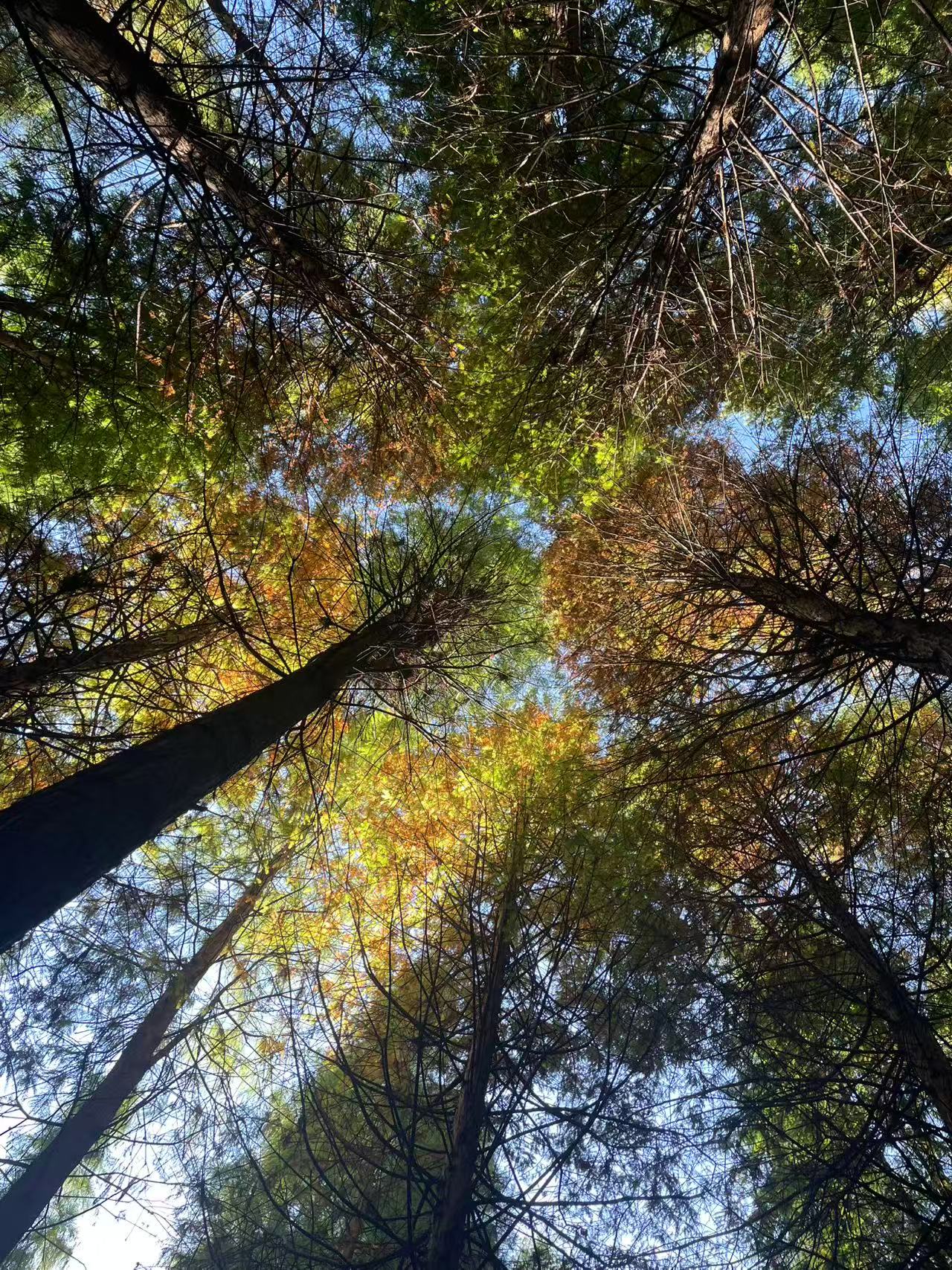
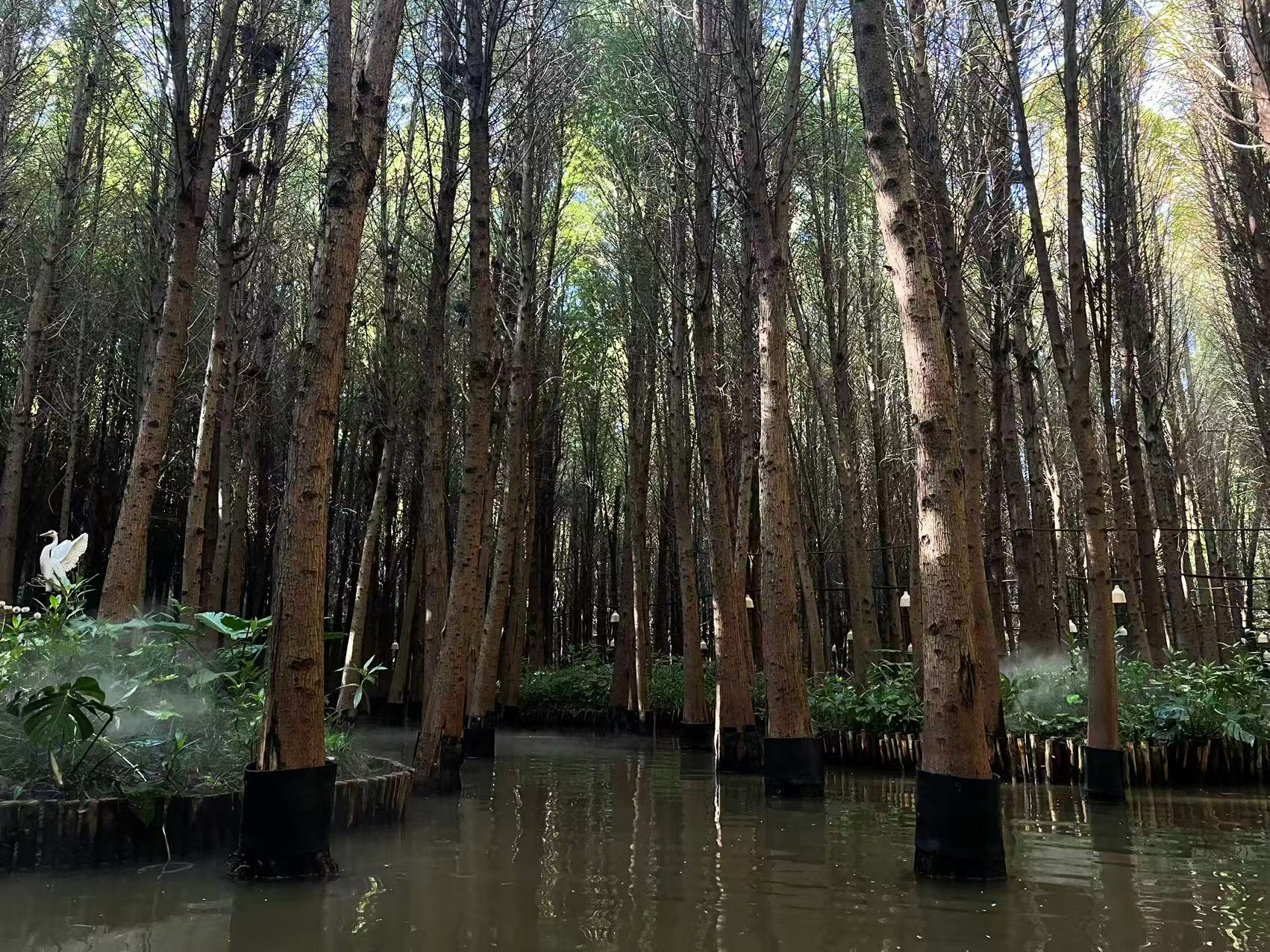
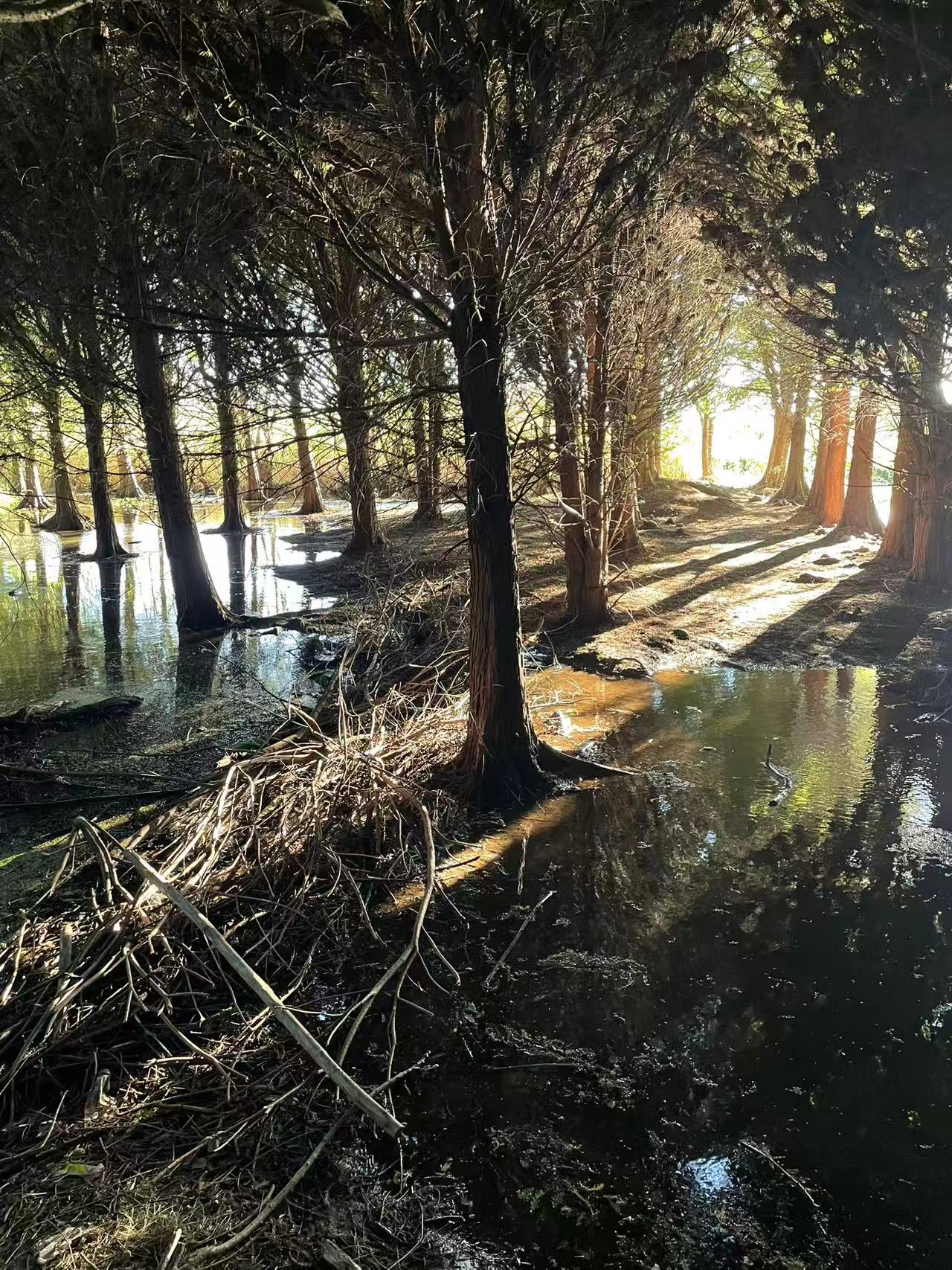
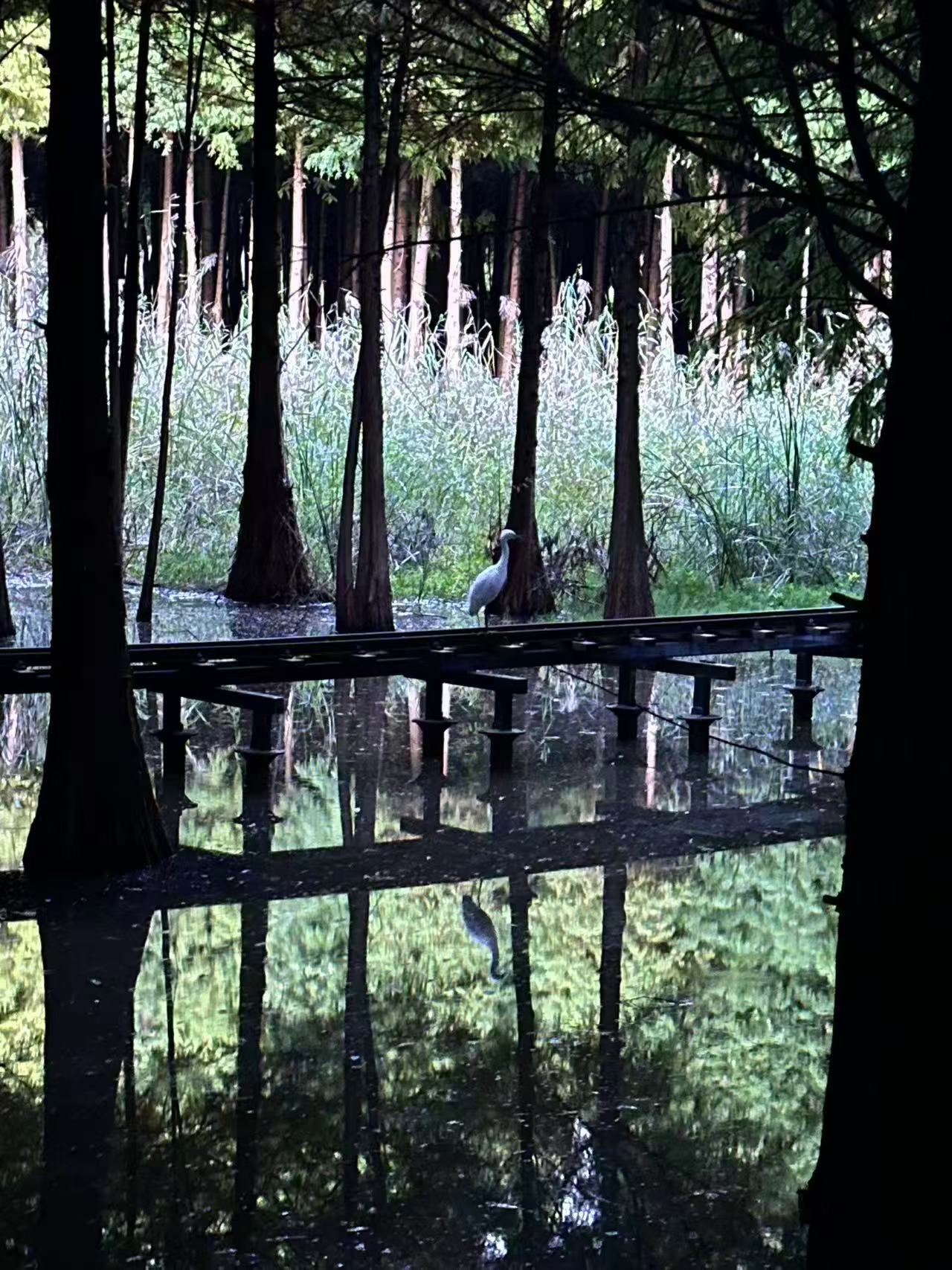
In Yunnan, I found myself paying attention not only to the beauty of water and trees, but also to the small details that are easy to overlook: the texture of a water surface, what gathers at its edges, the plant life beneath a canopy, and the birds that depend on these habitats.
Some scenes speak of ecological richness; others raise questions about water quality and human disturbance. Rather than drawing conclusions from appearances alone, I began to see field observation as the first step toward responsible environmental work.
A landscape becomes a responsibility once we learn to notice what is happening within it.
A wetland, read
in layers.
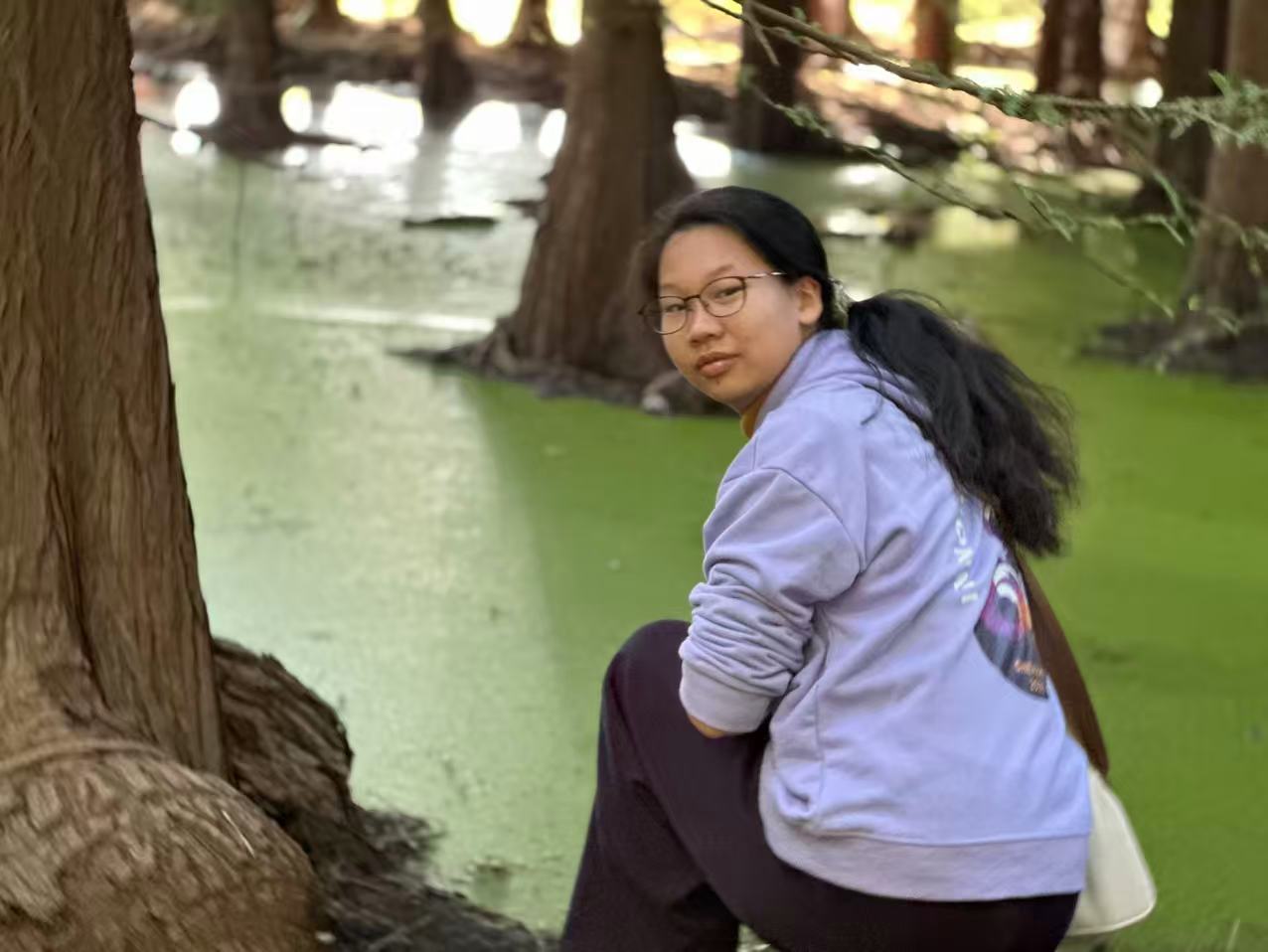
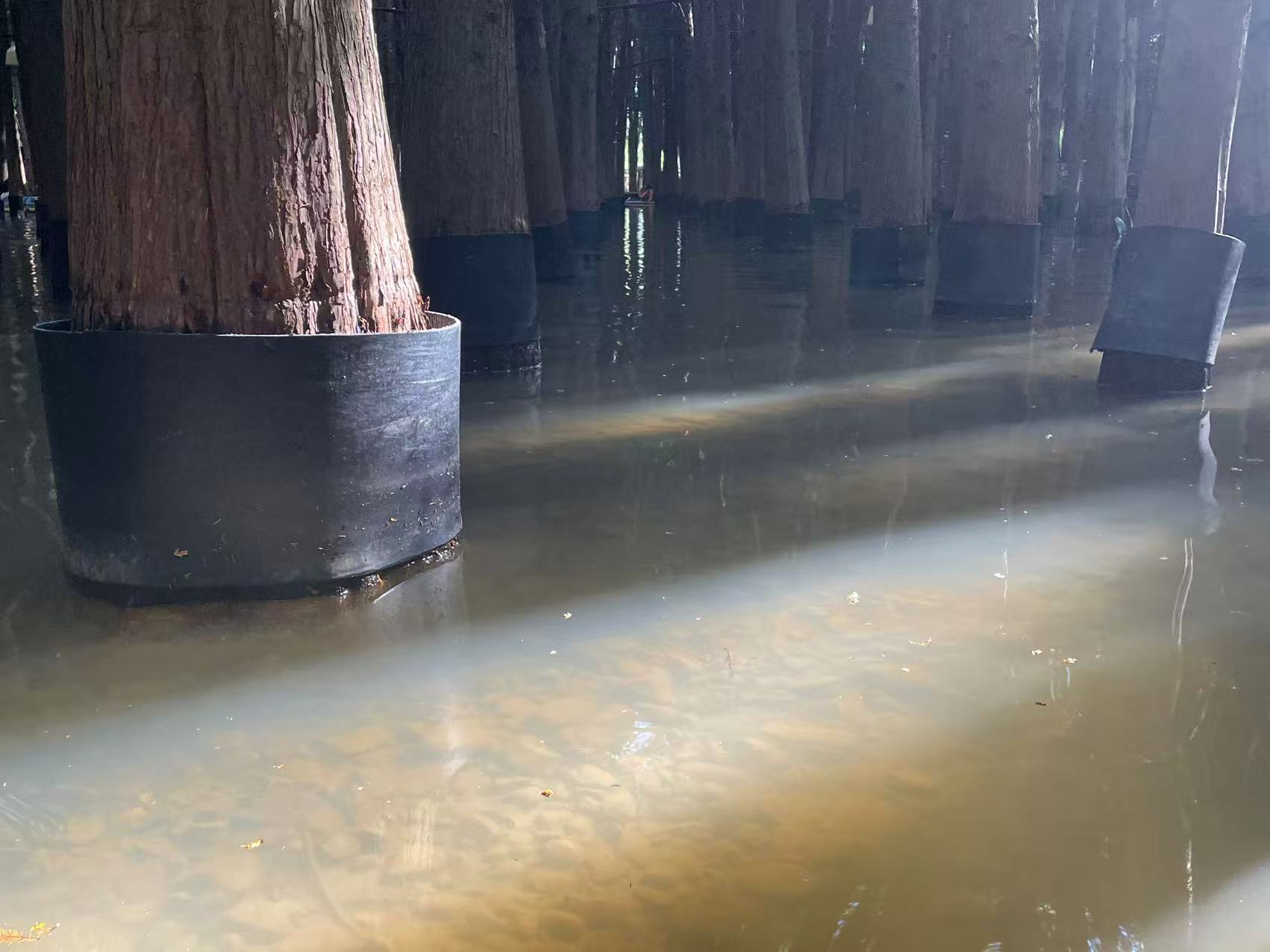
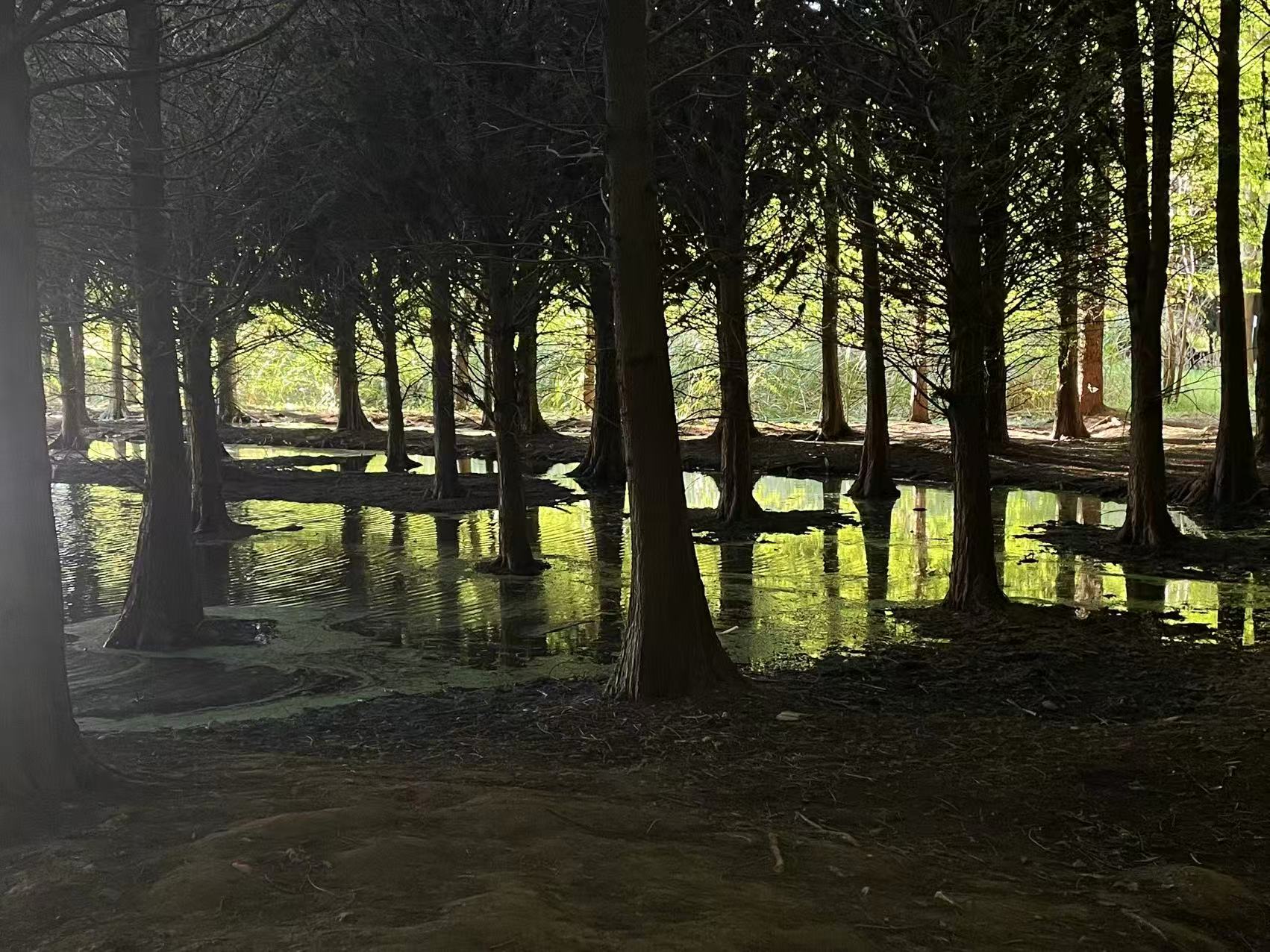
Water is also habitat. Root systems, shade, aquatic plants, reflections and waterbirds form an interconnected landscape whose condition cannot be understood by looking at just one part.
What the surface
doesn't tell us.
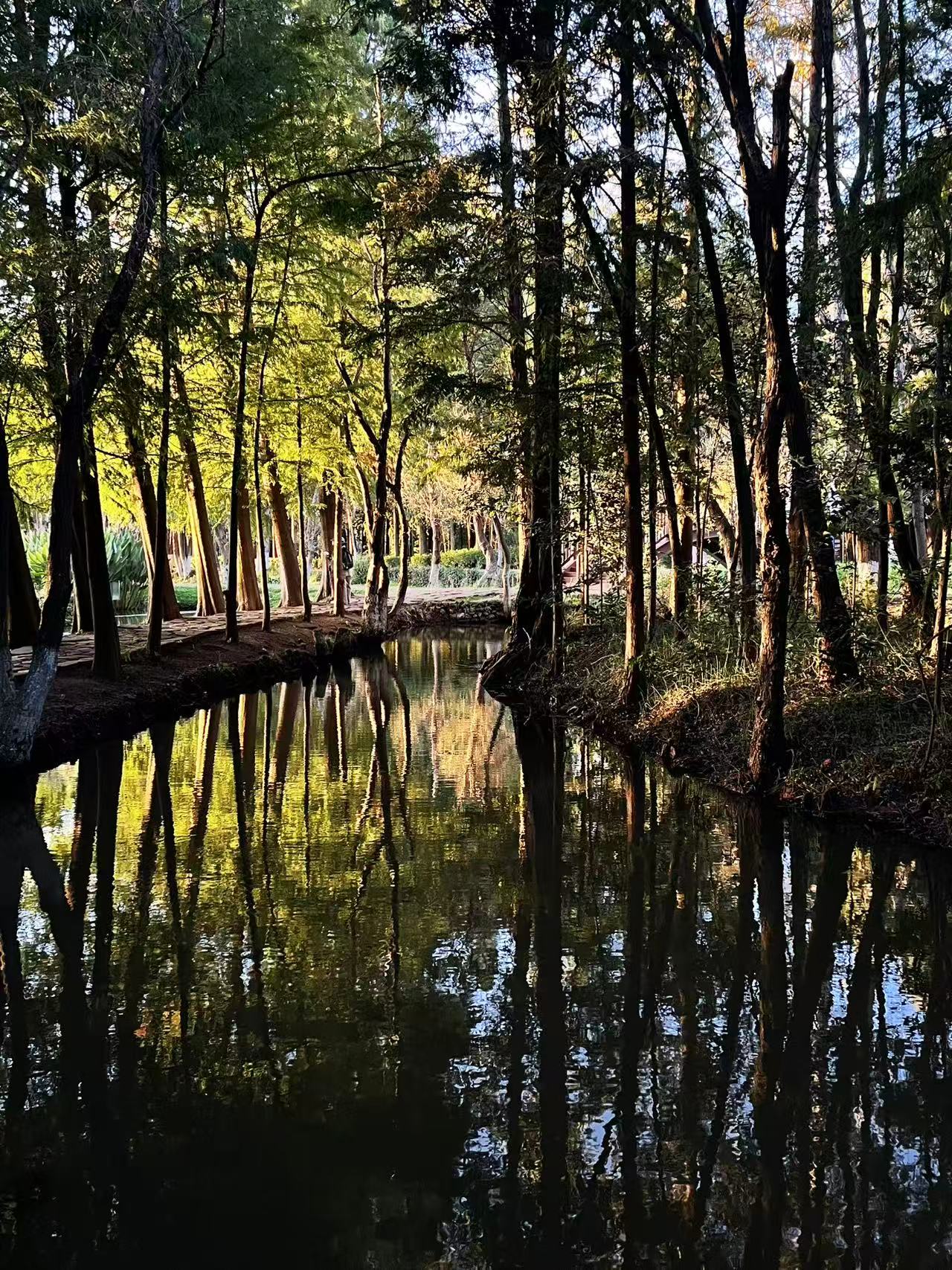
Field photography reveals visible conditions, not the full chemical or ecological story. These observations point to questions that a systematic investigation could test.
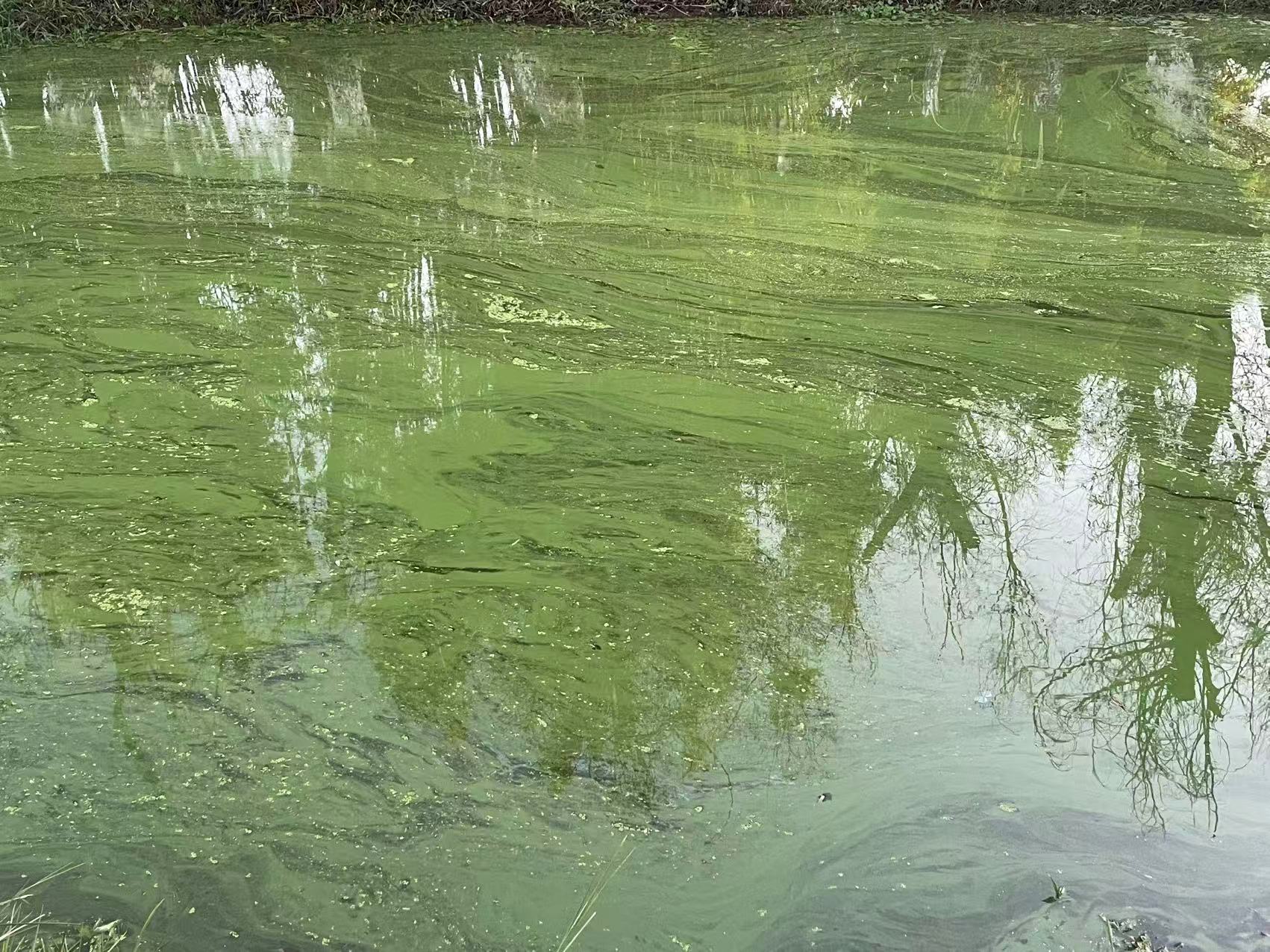
Surface cover
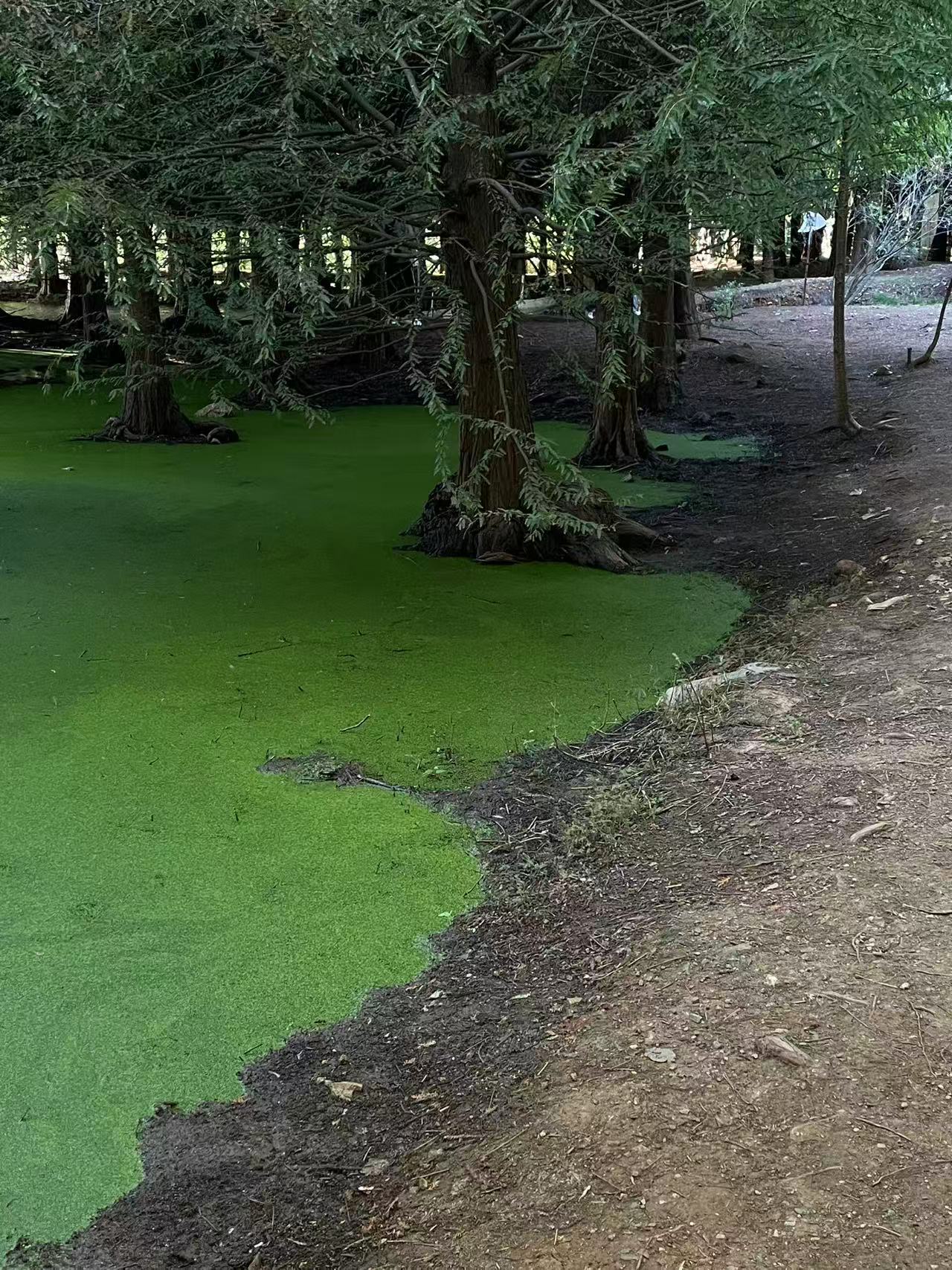
A green surface layer invites closer study of aquatic vegetation, seasonal growth, sunlight and nutrient conditions. Appearance alone cannot identify its cause.
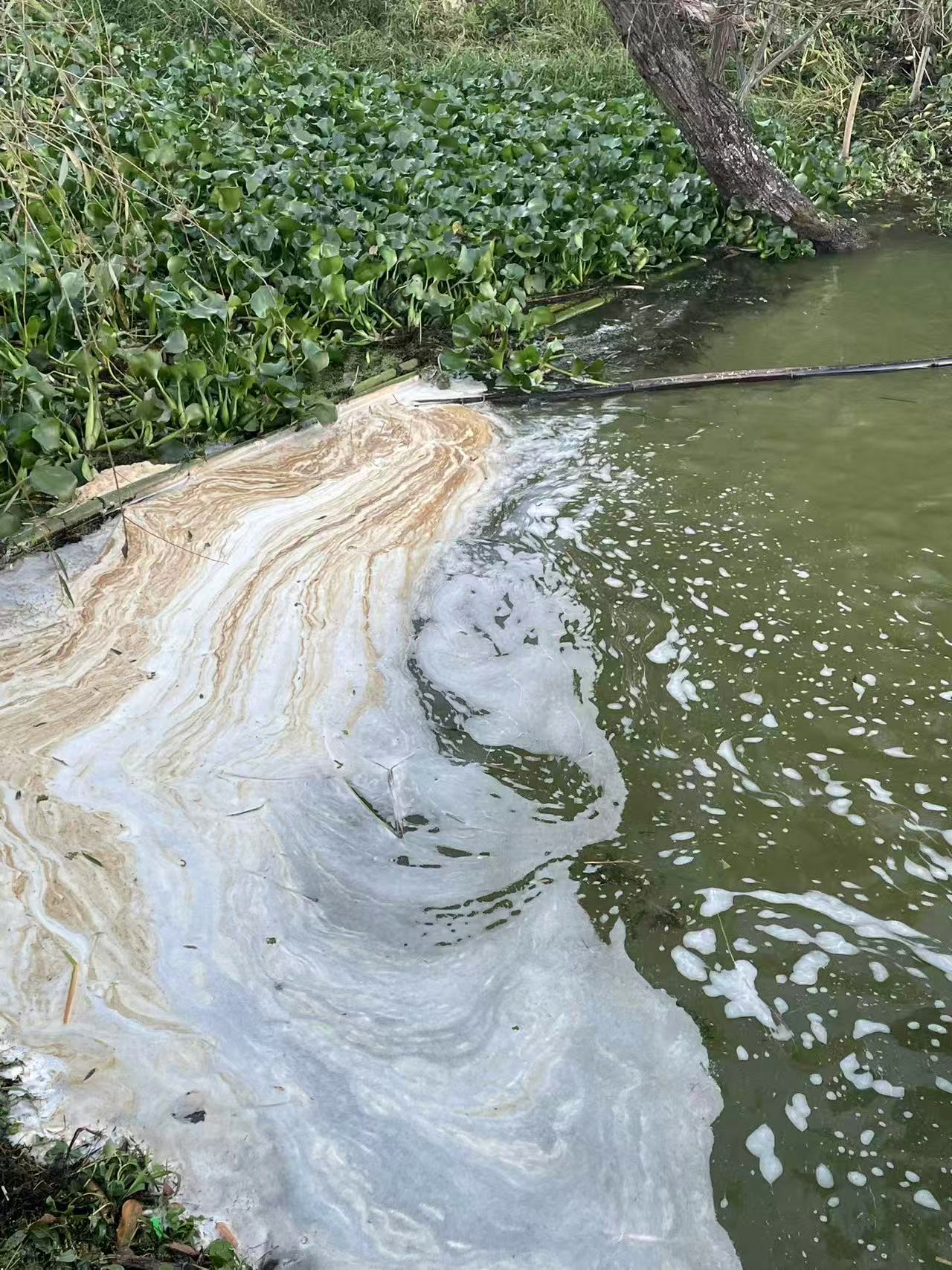
Foam & film
Visible foam and streaks near the bank raise questions about flow, organic material, possible inputs and the need for basic water-quality checks.
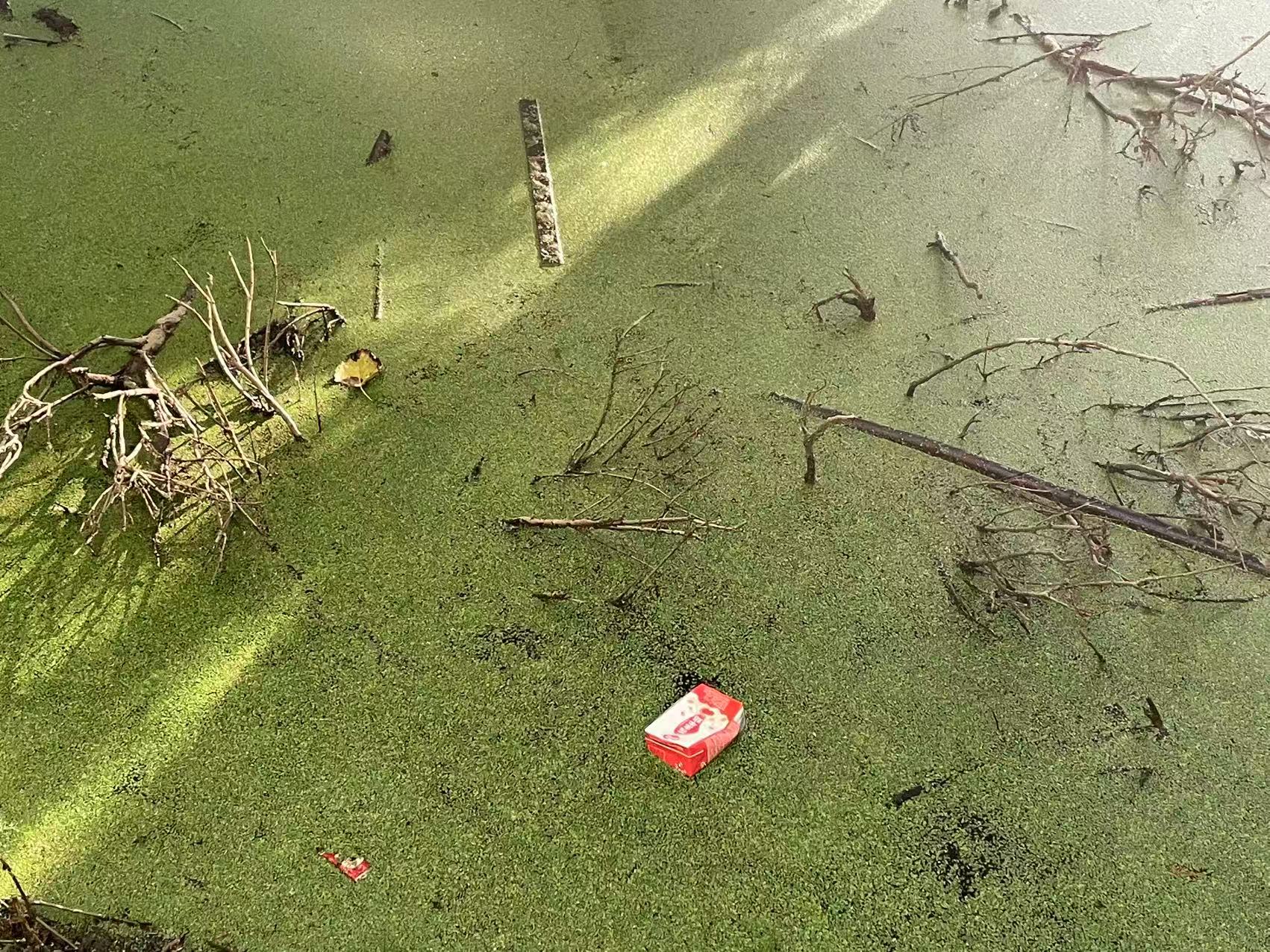
Visible litter
Packaging and debris show a direct intersection between human activity and the water environment—an issue for cleanup, prevention and ongoing management.
Better questions.
Better care.
Protecting water is not one machine or one cleanup day. A more durable approach combines careful investigation, ecological restoration, safe maintenance and community responsibility. These are directions for further study rather than claims of completed interventions.
Monitor before intervening
Document conditions across locations and seasons; where appropriate, investigate turbidity, dissolved oxygen, pH and other relevant indicators before identifying causes.
Protect the living shoreline
Consider native wetland vegetation, habitat connectivity and vegetated buffer zones as part of water management—without reducing the wetland to a drainage channel.
Reduce human pressure
Combine safe litter removal, responsible waste handling, pollution prevention and public awareness. Lasting results depend on maintenance and local participation.
A Responsible Investigation Path
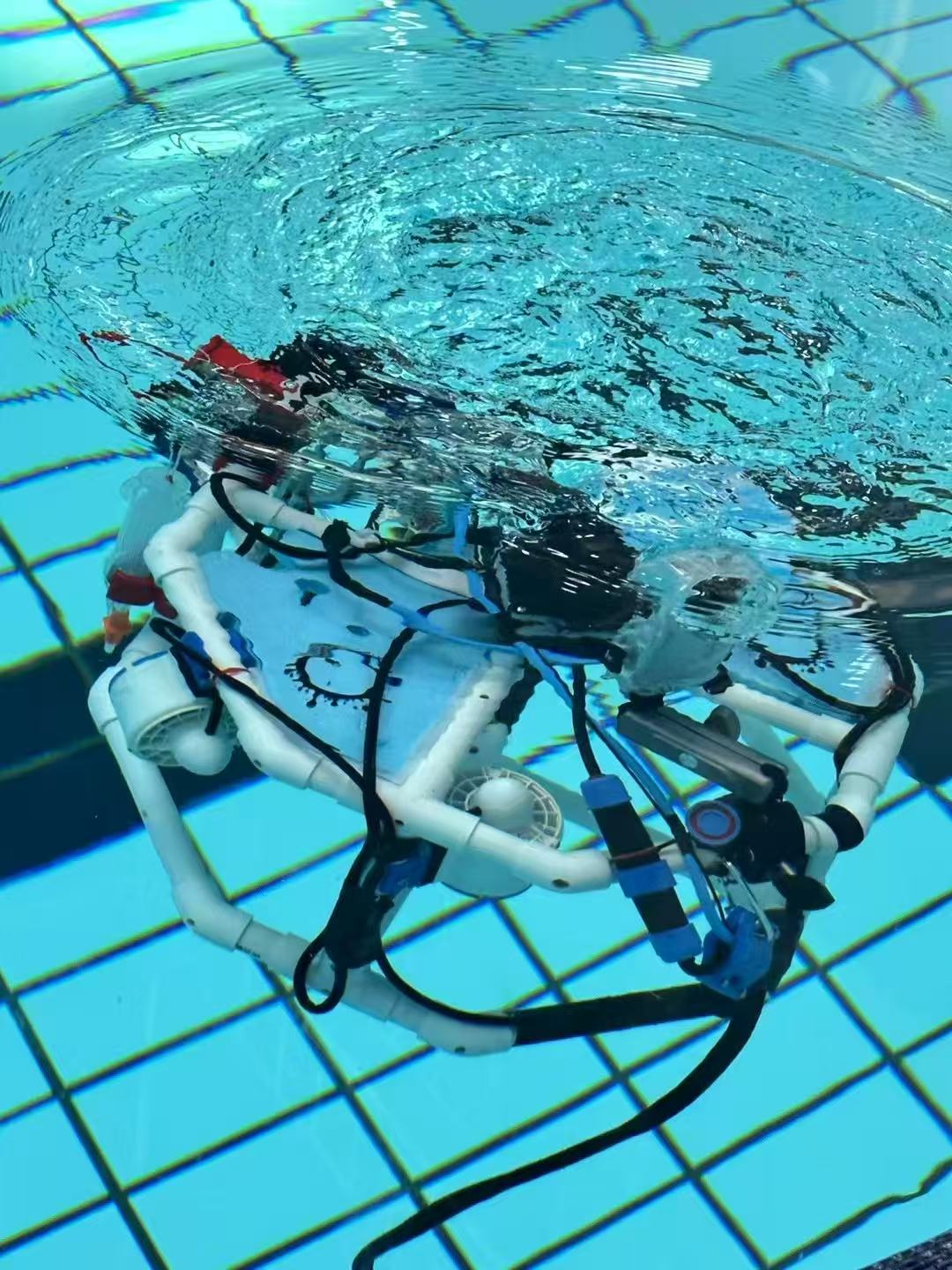
Can technology
help us see below?
My experience developing OctaXplore, a student-built remotely operated underwater vehicle, changed the way I think about ecological questions. Engineering offers ways to observe hard-to-reach spaces—but only when the tools fit the conditions, the ecological risks and the questions being asked.
Underwater visionCamera-assisted observation may help document submerged structures and debris where safe and appropriate.
Modular engineeringROV structures, propulsion, protective housings and interchangeable components demonstrate practical systems thinking.
Responsible deploymentHabitat protection, propeller guards, visibility, water depth and safety review must come before field use.
Engineering connection, not a deployment claim: OctaXplore was developed as a separate student robotics project. The applications described here are possible future research directions, not documented ROV operations in Yunnan.
Explore OctaXploreBetween a place
and its future.
The most useful field record is not always the most dramatic image. It is often the one that encourages a second visit, a better question, or a more careful decision.
Understanding not only how to build a tool, but also when—and why—it should be used.
Connecting field observations with engineering experience has made environmental work feel less like a single subject and more like a responsibility: to the evidence, to the living landscape, and to the people sharing it.
To protect a place,
first learn to see it.
Field observation teaches attention. Engineering teaches persistence. Environmental stewardship asks us to bring both together—and to measure progress by what we protect, not simply by what we build.